Commercial Waste in Manor Park
Commercial waste in Manor Park needs a service that is practical, well organised and suited to the day-to-day waste streams of local businesses. We handle the removal of mixed business rubbish from shops, offices, workshops, hospitality premises and other commercial settings, with a focus on keeping collections straightforward and appropriately separated where that matters. Our work is centred on routine commercial waste removal as well as one-off clearances when premises need a fuller tidy-up or an end-of-tenancy reset.
Businesses often need a collection partner that can deal with more than one material type in a single visit. That may include general office refuse, packaging, unwanted fixtures, small items of furniture and other non-hazardous commercial waste. For customers comparing options, the useful question is usually how the waste is handled, what can be removed together and which service page matches the task. If you need a broader view of the core offering, see our business waste removal service for the main collection format.
For a straightforward quote, gather a brief list of the waste types and the access details and then send an enquiry when you are ready. If the work involves a fuller site clear-down, it can help to note whether the load includes office furniture, general rubbish or items that need a separate disposal route. You can also view pricing and quotes to understand the sort of information that helps estimate the job before collection.
General Business Waste Collection

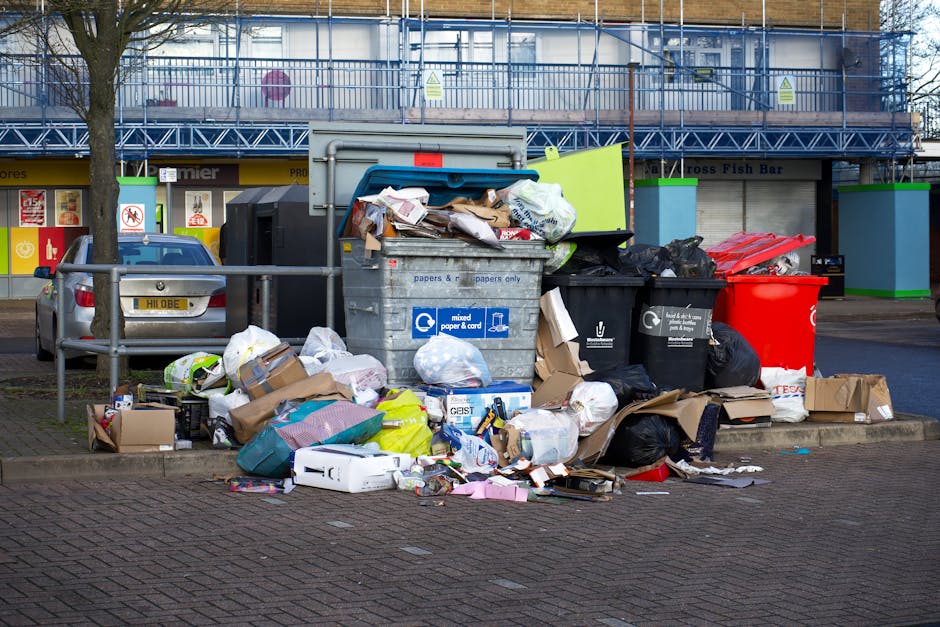
Our general collection service is designed for the everyday waste produced by commercial premises. That includes bagged rubbish, lightweight clutter, cardboard, packaging and the mixed refuse that can build up behind counters, in storage rooms or around staff areas. The emphasis is on removing the waste cleanly and leaving the premises ready for the next working day rather than turning the job into a broader refurbishment or deep-clean project. In many cases, a single visit is enough to clear the main load and restore usable space.
Different premises create different waste streams, so it helps to keep an eye on what is mixed together. For example, office waste may include paperwork, packaging and broken equipment, while retail and hospitality sites may generate more cardboard, display material or worn-out stock-room items. Where the contents are suitable, we can combine ordinary business rubbish with items covered elsewhere on this site, such as waste removal for general non-hazardous loads and related clear-outs.
When arranging a collection, the most useful details are the type of premises, the approximate volume and whether there are access limits such as shared entrances or upper floors. Keep the description practical rather than exhaustive: a short note about the waste type, location and any awkward items is usually enough to start. Clear information helps the quotation stay relevant, and it also makes it easier to decide whether the job fits a standard commercial clearance or a more specific service.
Office, Shop and Workplace Clearances

Commercial sites often need waste removal that goes beyond a few bags at the kerb. Office and shop clearances may involve dismantled desks, shelving, archive material, box contents, old point-of-sale items and general clutter left over after a move or reorganisation. We deal with these as practical removal jobs rather than asking customers to sort them into multiple specialist categories when that is not necessary. The aim is to clear the usable areas efficiently and handle the waste in a sensible, compliant way.
Some customers need help with a single room, while others want several areas cleared in one visit. A back office, stock room, staff room and reception area may each contain a different mixture of waste, so it is often best to think in terms of zones. If you are unsure whether the contents are best treated as office waste or a broader premises clearance, our office clearance page gives a clearer picture of that service. For other mixed commercial loads, business waste removal remains the simplest starting point.
Useful job details: whether the clearance is from a working premises or an empty unit; whether items need to be taken from a single floor or more than one level; and whether there are any bulky components that should be noted separately. You do not need to write a full inventory, but a short description of the main waste stream can improve accuracy. If the site includes fixtures that are still in place, mention that too, because removal and disposal are not always the same task.
Furniture, Fixtures and Bulky Items
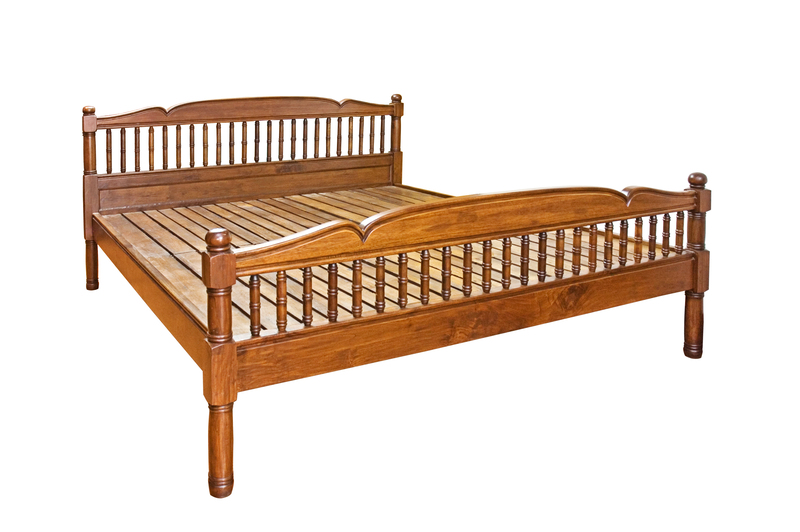
Commercial waste collections often include bulky items that cannot simply be bagged and lifted away. Office chairs, tables, shelving, cabinets, waiting-room seating and other furniture may need careful handling, especially where the building layout is tight or the item has to be taken apart before removal. We also cover items that are no longer suitable for day-to-day use but still need to be taken out of a workplace without disrupting operations more than necessary. For furniture-specific removal, the furniture clearance service is a useful option to compare.
There are also situations where customers want to dispose of a single item rather than a full load. That can be the case with an unwanted sofa in a break room, a damaged cabinet from an office move or a reception piece that no longer matches the layout. In those cases, a more focused route may be suitable, such as furniture disposal or, where applicable, the dedicated mattress and sofa disposal page for larger upholstered items. Matching the item to the right service helps keep the job straightforward.
For bulky loads, the main considerations are access, lifting space and whether the item can be removed as-is or should be partially dismantled first. Stairs, tight corridors and shared entrances can affect the collection plan, so it is worth flagging them early. If you need to include several kinds of furniture alongside ordinary commercial rubbish, that can usually be quoted as part of the same visit, provided the description is clear. A tidy list of the main items is often more useful than a long narrative.
Specialist Disposal Routes for Particular Materials

Not every item in a workplace belongs in the same waste stream. Certain objects need a more specific disposal route, either because of their material type or because they are commonly removed separately from general rubbish. We can support customers with appliances, confidential paperwork, and items that need extra care when being handled or processed. That is why it is sensible to look at the specialist pages where the item type is a clear match rather than forcing everything into a single general category.
For electronics and white goods, the relevant route may be fridge and appliance removal, while documents and sensitive paper waste are better considered alongside confidential shredding. If the load contains items with tighter handling requirements, such as materials that should not be mixed with ordinary commercial rubbish, then specialist guidance is important before collection is arranged. This keeps the service description accurate and avoids confusion over what will be taken in one go.
Some materials are outside a standard general-load collection altogether. In those cases, the right approach is to identify the item class first and then decide whether the work fits a specialist page or a broader waste service. If you are comparing several routes, start with the object itself, then think about volume and access. That sequence usually gives a clearer estimate than trying to name the job too broadly. A concise note about the items is enough to begin.
Managing Packaging, Refuse and Site Waste
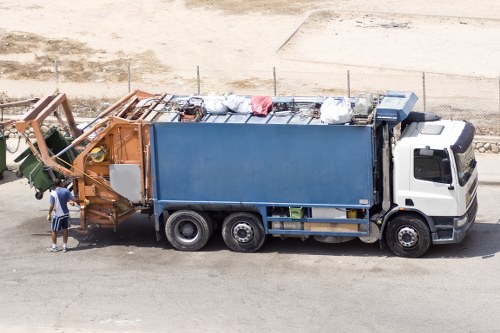
Commercial premises generate a great deal of non-specialist waste that still needs a reliable removal plan. Cardboard, mixed packaging, broken storage containers, sweepings from fit-out work and general refuse from storage or trading areas can all accumulate quickly. These loads are often less about one dramatic clear-out and more about keeping the site workable over time. Our service is set up to take away this kind of ordinary business waste and leave the area tidy enough for practical use afterwards.
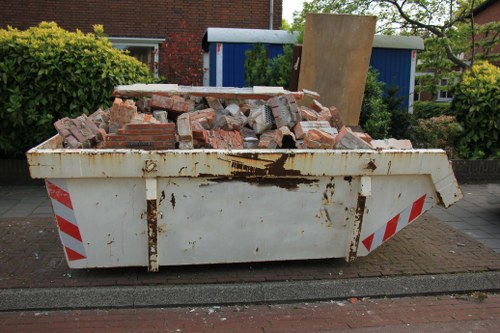
For some premises, the waste is linked to an activity rather than a room. A delivery area, stock room, small workshop or back-of-house preparation space may all produce a regular flow of rubbish that is easier to remove in one organised collection than to keep moving around the building. If the waste is mixed with offcuts or construction-type debris, the relevant route may be more like builders waste clearance than a simple office collection. Matching the load to the right page avoids confusion and helps the quotation stay sensible.
Where the waste consists of ordinary commercial refuse rather than specialist material, it is usually enough to describe what is there, whether it is bagged or loose, and whether any part of it is awkward to move. If the collection is repeated or seasonal, that can be mentioned in the enquiry, but the key point is the current load in front of you. Keep the focus on the waste itself rather than on assumptions about future removals, because each job should be assessed on its own details.
About Manor Park
Manor Park is an area in the London Borough of Newham in east London, closely associated with the wider stretch of urban growth that transformed the former fields and settlements of Essex into the nineteenth- and twentieth-century city. The district developed around the railway age, with Manor Park station opening in 1873 on the Great Eastern Railway’s line and helping to shape the residential streets that followed. Its built form reflects that history: rows of terraced houses, interwar infill and later apartment blocks sit alongside local shopping parades and community buildings, creating a layered streetscape rather than a single planned centre. The name is often linked with surrounding areas such as Forest Gate and East Ham, yet Manor Park keeps its own identity through its station, high street activity and everyday residential character. The area sits within the broader landscape of Newham, where Victorian expansion, wartime change and post-war redevelopment all left visible marks. Green space is part of that character too, with Romford Road acting as a major route through the district and nearby open areas offering contrast to the dense housing. As in many parts of east London, the local fabric is best understood through its mix of transit history, domestic architecture and the practical rhythm of a neighbourhood that has long been tied to movement, trade and ordinary urban life.
How We Handle Collections
Commercial waste jobs are easier to manage when the collection plan reflects the actual contents of the site. A shop refit may need a different approach from an office tidy-out, and a storage room full of mixed materials is not the same as a single bulky item. We therefore keep the emphasis on the material type, the amount to be removed and the access involved. That approach helps the work stay practical, especially where a premises is still open to customers or staff during the removal.
For more involved clearances, it can be useful to think about the order of removal as well as the items themselves. Loose waste may come out first, followed by furniture, boxed items or anything that needs dismantling. If there are reusable materials mixed in with general rubbish, sorting them before collection can make the process cleaner, but it is not essential to create a perfect inventory. The key is to identify the broad categories so the work can be assessed properly. If you are comparing services, home clearance shows a residential equivalent, while flat clearance is useful where mixed contents come from smaller living spaces rather than a business premises.
There are occasions when a simple waste removal call is enough, and others when a fuller premises clearance makes more sense. The difference usually comes down to whether the work is mainly about ongoing rubbish or about clearing built-up contents from a room, unit or workspace. Either way, the most helpful quotation details are still the same: what is being removed, how much there is and whether the job has any access limitations. Short, clear notes are better than trying to describe the whole business.
Pricing Factors and Quotation Details
Commercial waste pricing normally depends on the volume of waste, the type of material and the labour needed to remove it safely. A light load of bagged office rubbish is different from a mixed clearance involving desks, shelves or awkward bulky items. Access also matters: ground-floor collections are usually simpler than jobs involving stairs, lifts, shared corridors or restricted loading space. When a customer asks for a quotation, these are the points that usually matter most, because they affect both time and handling.
It is often helpful to include whether the waste is already gathered together or still spread across the premises. That one detail can change the shape of the job considerably. If items need to be separated, dismantled or carried from several rooms, that should be mentioned in the enquiry. For customers looking at different pages on the site, the pricing and quotes page gives a clearer sense of how to prepare that information, while the book online page is available if you prefer to move straight to arranging the collection.
Before sending a quote request, note the main waste category, the approximate amount and anything that could slow the removal down. That may include parking constraints, a shared entrance or items that need to be carried through narrow internal spaces. A short description is enough to start, and it is better to be accurate than overly detailed. If the job turns out to fit a more specific route, the service can be aligned accordingly once the contents are clear.
Recycling, Reuse and Responsible Disposal
Responsible commercial waste handling is not just about taking items away. It also involves deciding what can be separated for recycling, what belongs in the general waste stream and what needs a dedicated route. Office loads often contain paper, cardboard and lightweight packaging that can be handled differently from mixed rubbish, while furniture and appliances may follow separate processing steps. That is why it helps to identify the main materials at the start, even if the load is going out in one collection.
The same idea applies to clearances after a move, refurbishment or stock change. A premises may contain a blend of reusable items, waste that should be removed as general refuse and items that require specific treatment because of their material type. Where relevant, the recycling and sustainability page explains the broader approach to sorting and disposal, while the main commercial service remains focused on practical removal from the site. Keeping those two aspects aligned makes the job easier to describe and easier to quote.
For businesses, the useful decision is often not whether every item can be handled in the same way, but whether the waste can be grouped into sensible categories before collection. That keeps the process manageable without turning it into an elaborate sorting exercise. If you have several load types at once, a brief breakdown of the main items is the best place to begin, followed by the total amount and access notes. Clear categories lead to clearer arrangements.
Arranging the Collection
Once you know the main waste type, the best next step is to make a concise enquiry that covers the essentials. A short list of what needs removing, where it is located and whether there are any awkward access points is usually enough to move things forward. For many customers, that is more useful than trying to prepare a lengthy explanation in advance. If the premises is busy, it can also help to mention the preferred collection window so the work can be planned around trading or staffing patterns.
Where the waste is part of a larger clear-out, note whether anything is staying behind and whether the removal should be limited to particular rooms or zones. That can prevent confusion when the collection is organised. Some businesses prefer to describe the work in terms of a single room; others prefer to list a floor or unit. Either approach is fine as long as the scope is clear. When you are ready, use the enquiry route that suits you best and keep the message focused on the waste itself.
For a direct next step, make your notes and request a quotation when convenient. If the job includes a mix of business rubbish, furniture or specialist items, mention the main category first and then add the secondary pieces. Contact us for a quotation if you want to discuss the collection details and match the waste to the most suitable service route.